
+
Breed-Specific Disease Screening
Screen for inherited variants associated with conditions known to occur within particular breed populations.

Purebred dog DNA testing screens for breed-specific hereditary health conditions and verifies genetic breed match, giving Canadian breeders and owners a data-driven health baseline beyond visual conformation. While DNA testing can confirm a high-percentage match to a single breed, it does not replace documented pedigree records for kennel club registration purposes.
Browse our featured breed, health, allergy, parentage, age, and wellness testing kits.
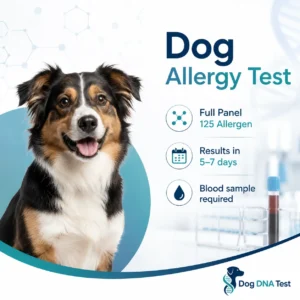

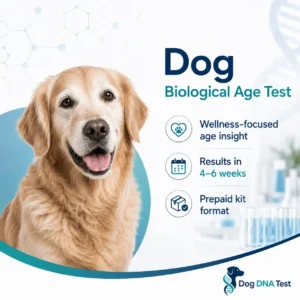
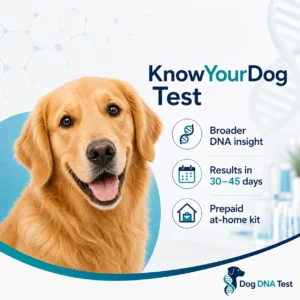
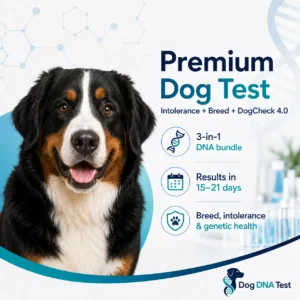

Purebred testing can provide several different kinds of information. The appropriate test depends on whether your goal is inherited-health screening, genetic breed context, permanent identification or biological parentage.
Screen for inherited variants associated with conditions known to occur within particular breed populations.
Evaluate whether the dog's genetic profile shows a strong match to one breed rather than a complex mixed ancestry pattern.
Compare genetic markers between a puppy, sire and dam to support breeding-program relationship records.

A consistent breed type can make certain inherited variants more predictable within a population. Screening can help owners and breeders identify markers worth discussing with a veterinarian.
The tested disease-associated variant was not detected.
A variant was detected that may be passed to future offspring.
A variant pattern linked with a higher likelihood of a condition was detected.
Health, parentage and permanent identification are separate testing goals. Some breeders may use more than one test across a breeding program.
Screen for breed-linked hereditary conditions and other clinically relevant canine genetic markers.
Confirm biological relationships between a puppy, suspected sire and dam for breeding-program documentation.
Create a permanent genetic identification profile for recordkeeping and future relationship comparisons.
A strong genetic match to one breed can support a purebred claim, but kennel clubs generally require documented ancestry and registration records rather than breed DNA results alone.
DNA testing supports health, identity and relationship documentation. It does not independently establish the documented lineage required for kennel club registration.
Testing information from DogDNATest.ca should be reviewed alongside the current requirements of the relevant registry or kennel club.


Purebred testing focuses on hereditary health, identification and documented relationships. Mixed-breed testing focuses on separating multiple ancestry contributions by percentage.
Browse the complete collection or compare leading Canadian dog DNA tests before choosing health, parentage or identification testing.
Read independent dog DNA test reviews and the medical disclaimer before making health or breeding decisions.
It can show a high-percentage genetic match to a single breed, which supports but does not replace documented pedigree records.
Yes. Purebred dogs often carry breed-specific hereditary risks worth screening for before breeding or as part of routine wellness care.