Flag Accelerated Aging
A biological age older than chronological age may highlight the need for a closer discussion about current wellness and lifestyle factors.

Dog biological age testing measures DNA methylation—chemical changes to DNA that accumulate predictably with age—to calculate how your dog is aging at a cellular level, independent of its birth date. DogDNATest.ca gives Canadian owners a wellness metric that can flag accelerated aging early, helping guide lifestyle and veterinary care decisions for a longer, healthier life.
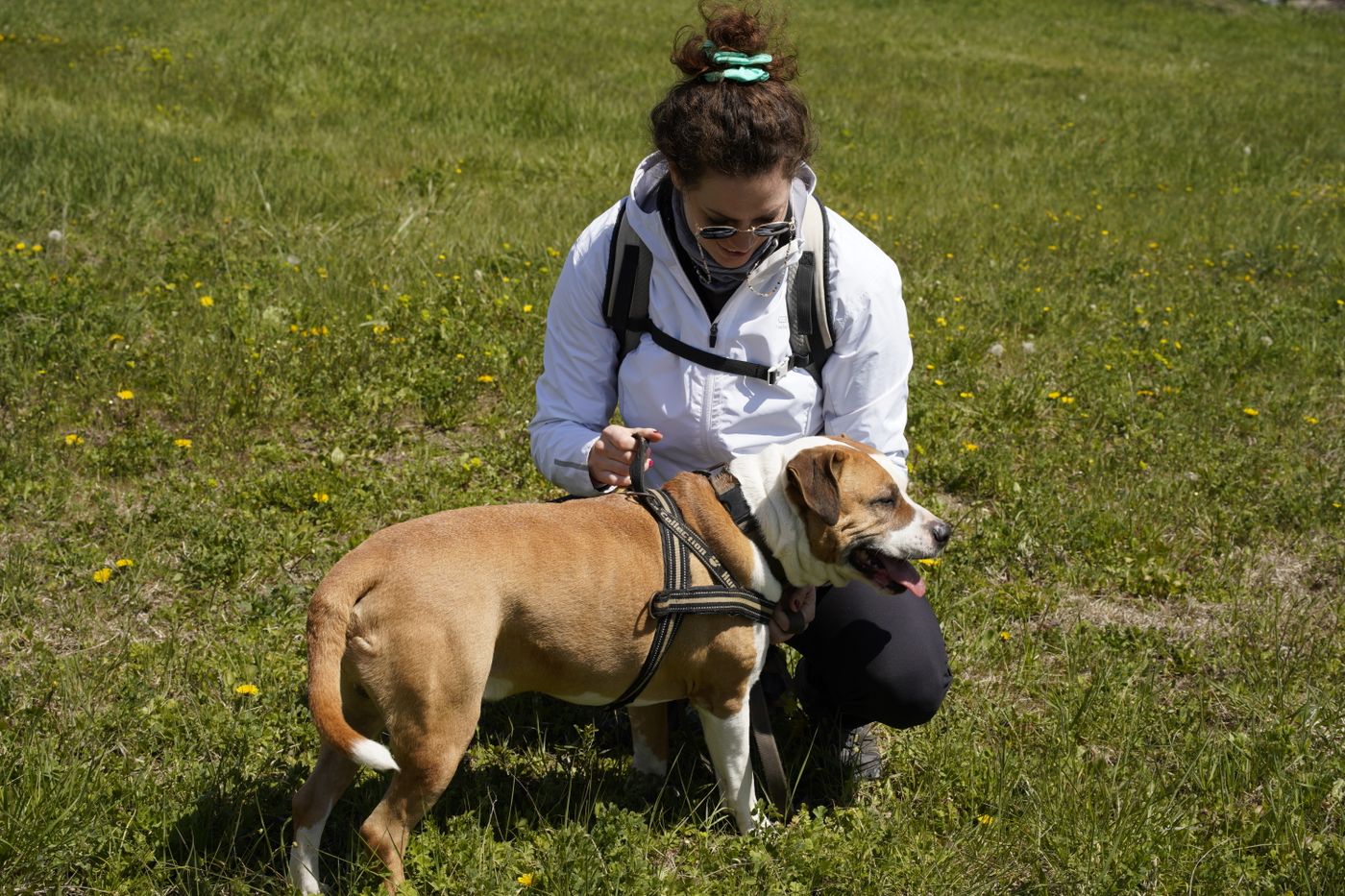
A cellular-aging estimate can be compared with chronological age to provide additional wellness context.
Birth date tells you how long your dog has lived. DNA methylation provides a separate estimate of how quickly its cells appear to be aging.

Chronological age is simply the number of years since birth. Biological age estimates the current cellular aging rate using patterns of DNA methylation.
Two dogs born in the same year can have different biological ages because genetics, nutrition, activity, health and environment can influence aging.
Simplified concept: methyl groups attach at measurable DNA locations and change in recognizable patterns with age.
DNA methylation is a chemical modification in which methyl groups attach to specific areas of DNA. These patterns change predictably as an organism ages.
A biological age test measures selected methylation sites and compares the pattern with validated age-related reference data. The result is an estimate of current biological age, not a change to the underlying DNA sequence.
Biological age adds context that can help owners and veterinarians discuss activity, nutrition, monitoring and senior-wellness planning.
A biological age older than chronological age may highlight the need for a closer discussion about current wellness and lifestyle factors.
The result can support proactive conversations about nutrition, exercise, preventive care and age-appropriate veterinary monitoring.
Inherited-disease screening identifies specific genetic variants, while biological age measures a current cellular-aging pattern.


Breed, inherited traits, activity, nutrition, environment and health can all contribute to differences between dogs of the same chronological age. Biological age adds another measurable data point to the wellness picture.
Combine cellular aging information with broader testing education, digestive-wellness insights and independent product research.
Choose biological age testing, explore related wellness options or learn how DNA testing can estimate age when a birth date is unknown.
Find more practical answers in our dog DNA testing FAQ.
DNA methylation is a chemical modification of DNA that changes in predictable patterns as an organism ages. Biological age testing measures selected methylation patterns to estimate cellular age.
No. Biological age is a current wellness data point, not a prediction of how long an individual dog will live.
Genetic health screening looks for specific inherited disease markers. Biological age testing measures the dog’s current cellular-aging rate using DNA methylation patterns.
Biological age results are wellness information and are not a diagnosis or lifespan prediction. Review the dog DNA testing medical disclaimer and discuss health concerns with your veterinarian.