
DNA
Preserved Tissue Sample
A tissue sample preserved shortly after death may contain enough viable genetic material for laboratory analysis, depending on its condition and storage method.
DNA testing on a deceased dog is possible in some cases if a viable tissue sample was preserved before or shortly after death, though a standard cheek swab is no longer an option once a dog has passed. DogDNATest.ca can advise on sample viability for breed, parentage or identification testing using preserved tissue, fur with follicles or previously banked samples — contact our support team to discuss your specific situation.
Sample viability varies. Please speak with our support team before shipping preserved material or purchasing a test.
Browse our featured breed, health, allergy, parentage, age, and wellness testing kits.

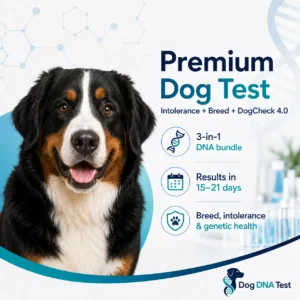
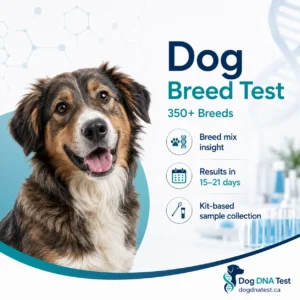
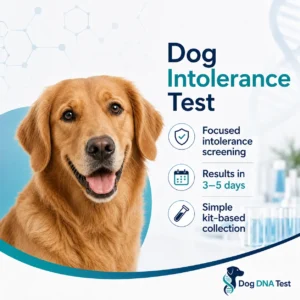
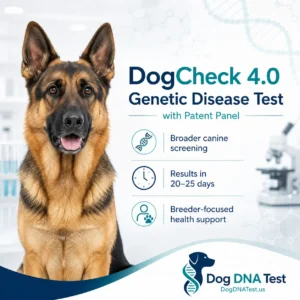
Testing depends on whether enough usable genetic material remains. Before sending anything, ask the dog DNA testing support team to review the sample type, how it was stored and when it was collected.
A tissue sample preserved shortly after death may contain enough viable genetic material for laboratory analysis, depending on its condition and storage method.
Fur may be usable when intact follicles remain attached. Cut hair or naturally shed fur without roots is less likely to provide sufficient DNA.
A DNA sample collected and properly banked while the dog was alive may provide the most dependable option for future identification or relationship testing.

Laboratory viability depends on the material, storage conditions and time since collection. Avoid opening, cleaning or repeatedly handling a preserved sample while waiting for guidance.
Keep the sample in its existing container and follow professional storage guidance.
Record what the material is, when it was collected and how it has been stored.
Obtain confirmation that the sample is potentially usable and receive the correct shipping instructions.
For general collection context, see how dog DNA testing works .
When a viable sample is available, testing may help answer relationship, ancestry, identification or breeding-record questions.
A viable sample from a deceased sire or dam may be compared with puppy samples to help confirm biological relationships.
Explore dog paternity DNA testingTesting may provide ancestry information for sentimental, historical or documentation purposes when the sample meets laboratory requirements.
Preserved genetic material may support recordkeeping questions involving a deceased breeding dog and related offspring.
Learn about DNA testing for dog breedersEvery situation is different. Providing a clear description of the sample helps the support team determine whether testing may be possible and which service best matches your goal.

Review available test kits or compare dog DNA testing options after confirming that your saved material has a reasonable chance of producing usable DNA.
Testing availability and results depend on sample quality. Review the medical and testing disclaimer before making health-related decisions.
In some cases, yes, if a viable tissue or follicle sample was preserved. Contact our support team to check sample viability for your situation.
Preserved tissue or fur with intact follicles offers the best chance of a usable sample; a standard cheek swab is not possible after death.
Yes, if a viable sample from the deceased parent is available, it can be compared against puppy samples.