01
Wolf ancestry markers
Screens for genetic patterns associated with wolf ancestry instead of relying only on physical appearance.
Wolf and coyote DNA testing screens your dog's genetic profile for wild canine ancestry markers, useful for owners of dogs with suspected wolf-dog or coyote heritage, particularly in rural and northern Canadian regions where wild canine crossbreeding is more common. Standard breed tests may not reliably flag wild ancestry, so a dedicated wild-canine screening panel gives a clearer answer.

Browse our featured breed, health, allergy, parentage, age, and wellness testing kits.
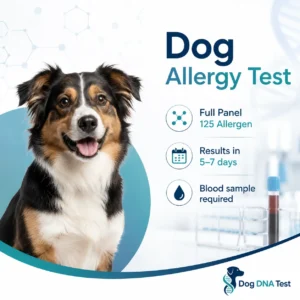
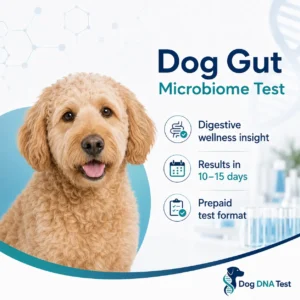
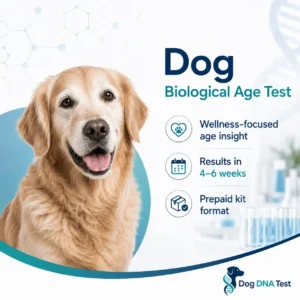
Dedicated wild-canine testing examines genetic markers that a standard breed panel may not reliably identify.
Screens for genetic patterns associated with wolf ancestry instead of relying only on physical appearance.
Examines relevant markers that may indicate coyote contribution within a dog's genetic background.
Provides a percentage estimate of wild canine contribution where relevant ancestry is detected.
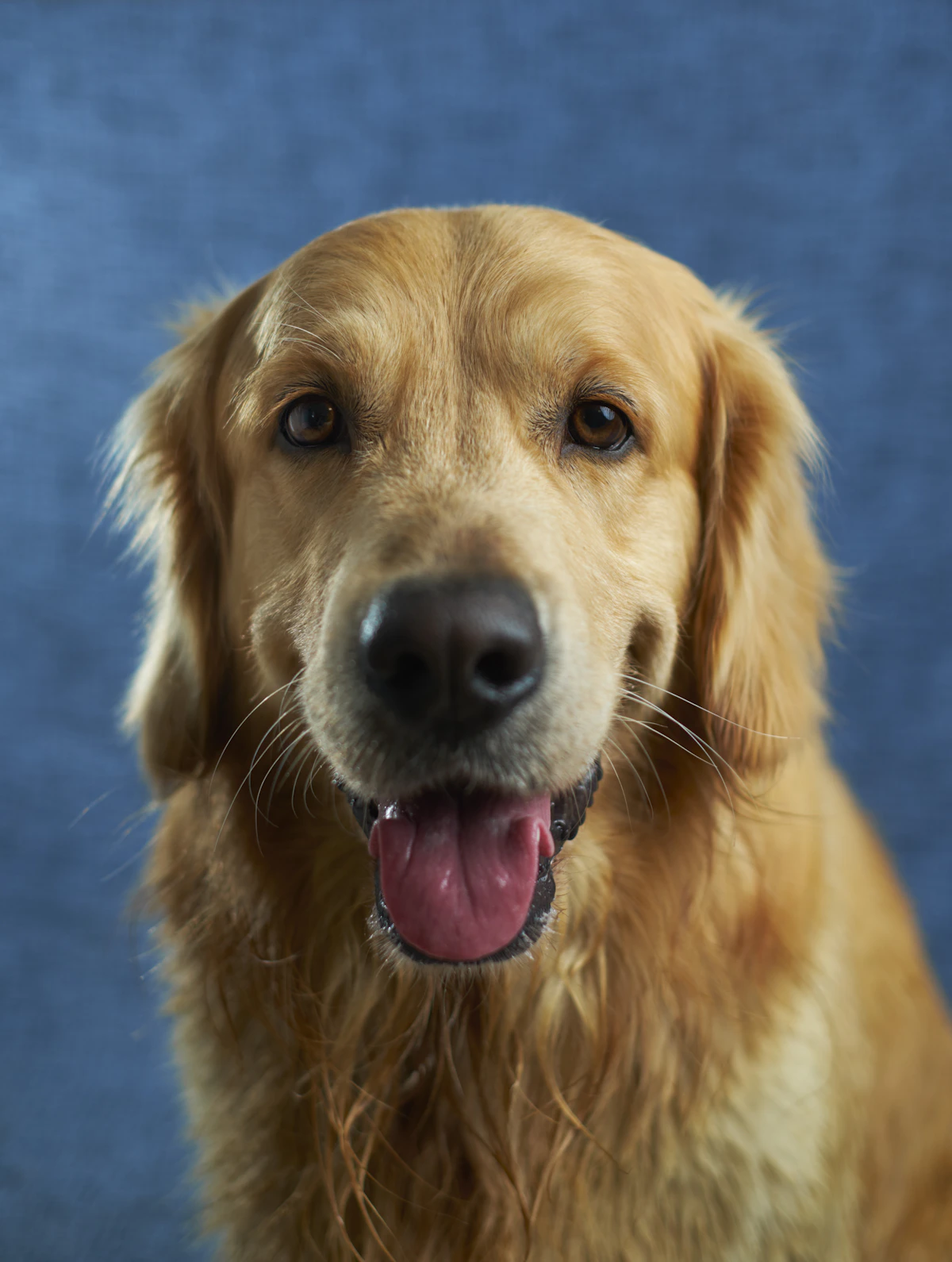
Wild-canine screening can be especially useful when your dog's history is unknown or when its appearance and behaviour raise questions that ordinary dog breed identification testing cannot fully answer.
When wild ancestry is detected, the report can provide context about the estimated contribution. Results should be interpreted alongside your dog's known history, location, behaviour, and applicable regional requirements.
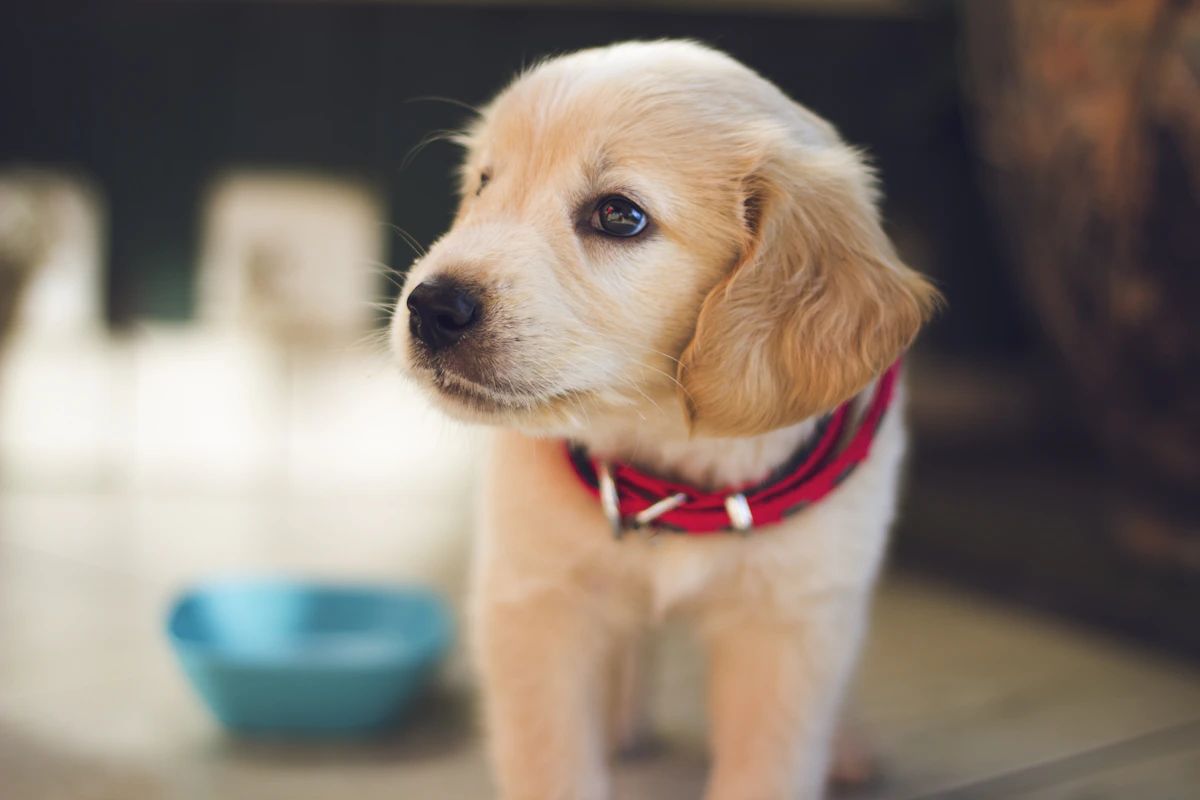
Some Canadian regions have specific rules relating to wolf-dog hybrids. Wild ancestry may also influence exercise, containment, socialization, and long-term care decisions. A confirmed result provides a more useful starting point than visual guessing.

If you are unsure whether ordinary breed identification or dedicated wild-canine screening fits your situation, the Canadian support team at DogDNATest.ca can help you identify the most appropriate next step.
Quick answers to common questions about detecting wild ancestry in dogs.
More general testing questions are available in our dog DNA testing FAQ.